Turning Women’s Voices Into Learning
Sometimes, being heard can be the beginning of something much bigger.
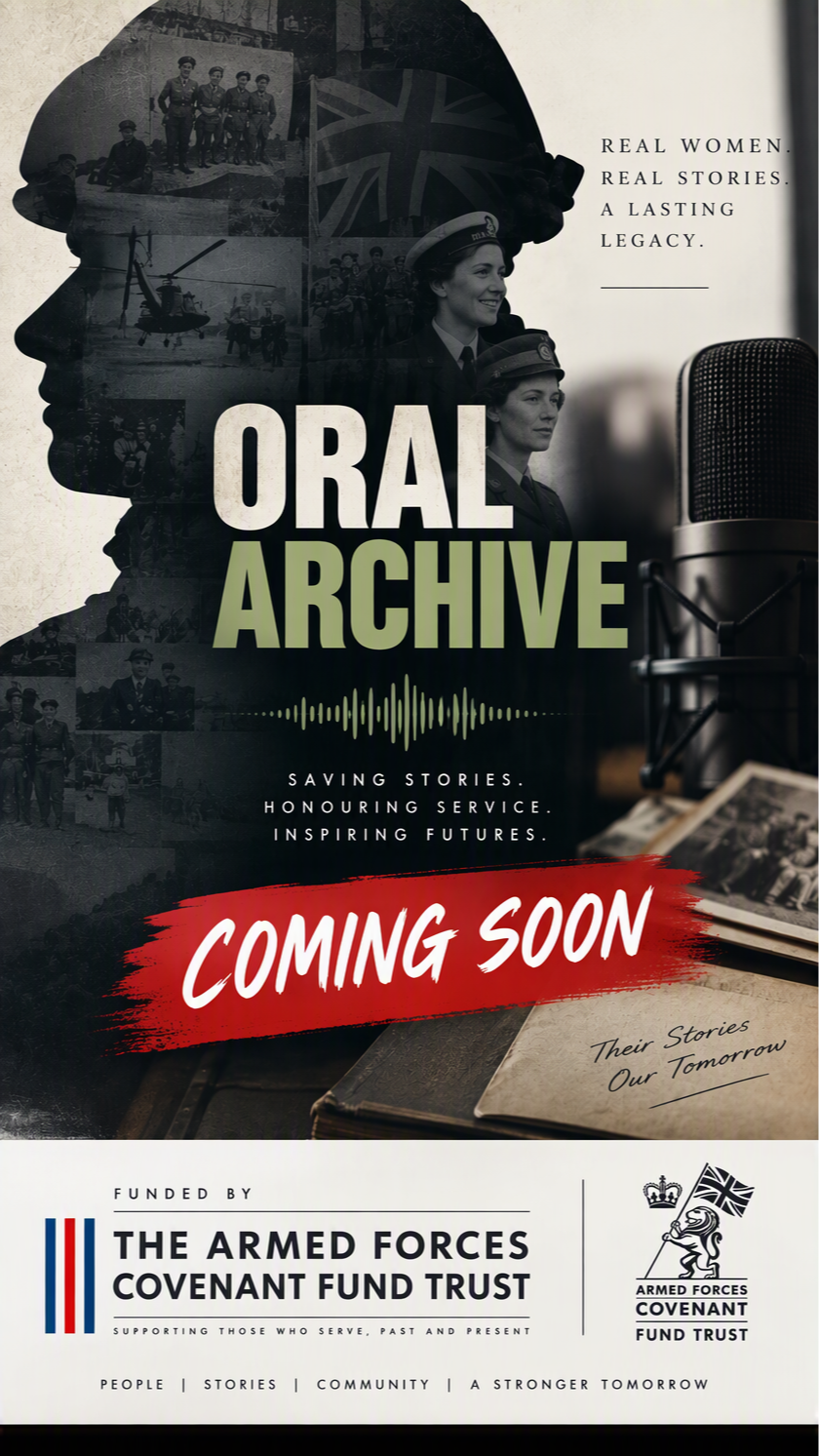
As part of our oral archive project, we have had the privilege of interviewing over 15 women, capturing experiences and stories that deserve to be remembered, valued and learned from.
But this project was never simply about sitting someone in front of a microphone and asking questions.
For some of the women taking part, sharing their story required confidence, trust and preparation. Before being interviewed, the women were therefore given the opportunity to take part in confidence-building sessions, helping them feel more comfortable speaking about their experiences and recognising that their voice mattered.
Finding the Confidence to Speak
The confidence-building element became an important part of the journey. It created space for women to think about what they wanted to share, how they wanted to tell their story and, importantly, what they did not want to talk about.
The aim was not to create the “perfect” interview. It was to help each woman feel that the story remained hers. The interview was not something being done to the women. It was something created with them.
More Than Capturing History
The outcome has been much more than a collection of recordings. From the women’s perspective, taking part offered an opportunity to reflect on experiences, recognise personal strengths and know that their stories could contribute to something beyond the interview itself.
Their voices become part of a living archive. Real women. Real stories. A lasting legacy. And those voices do not end when the recording stops. Turning Lived Experience Into Professional Learning. The interviews also have another important purpose. We can use the experiences shared within the oral archive to strengthen the training we deliver to professionals. Instead of professionals learning only from presentations, policies or hypothetical scenarios, lived experience can help bring the human reality into the room. The women’s voices can encourage professionals to stop, listen and reflect.
What helped someone feel safe enough to speak?
What made someone feel unheard?
What difference did being listened to make?
What could a professional do differently?
These are powerful questions because they move learning beyond simply knowing what good practice looks like. They encourage people to consider what good practice feels like to the person receiving support.
From Voice to Change
That is perhaps the most important outcome of the project. Women are not simply contributing their stories to an archive. Their experiences have the potential to educate the professionals of today and influence the way other women are listened to and supported tomorrow. One voice can become part of a conversation. Many voices can begin to change practice. And when lived experience becomes part of learning, a story does not simply preserve the past. It can help shape the future.
Please note: We have changed some voices to protect the women’s identity.